Held from 17 July 2016 to 24 July 2016
Workshop at the Daintree and Cairns, including a snorkeling trip at the end.
Workshop at the Daintree and Cairns, including a snorkeling trip at the end.

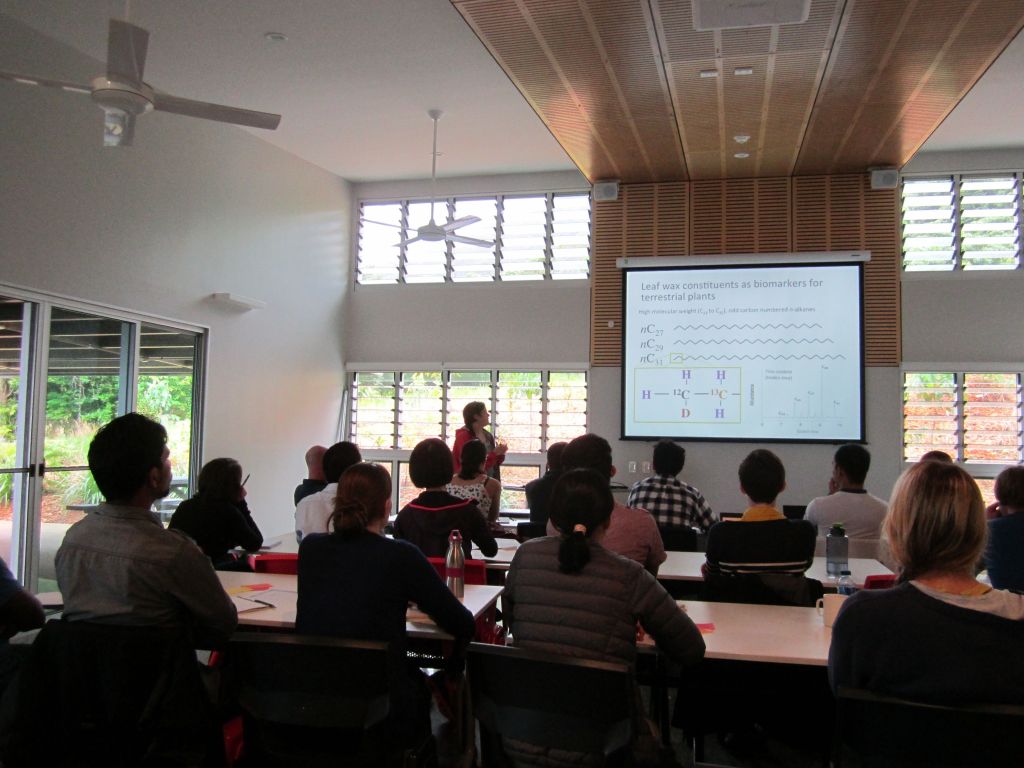
We held a fabulous workshop in the JCU rainforest research facility in the Daintree.
Passionate about Stable Isotopes?
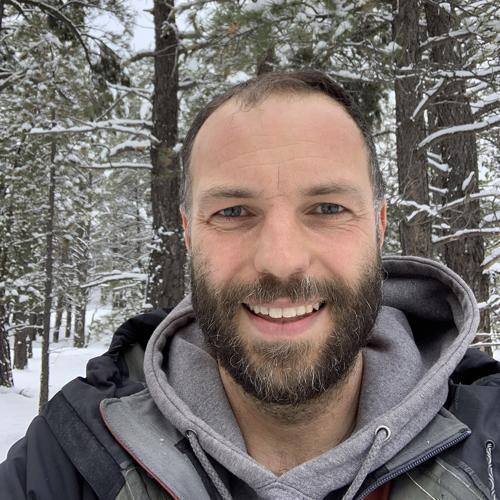
When I attended the first SIBS workshop in 2013, I did this mostly out of interest. It turned out that the workshop itself was not only much more fun than I could have imagined but the skills I learned also shaped my research direction over the following years. Once I got my hands dirty with working with isotopes, I started contributing to SIBS as an instructor. Now stable isotopes are a core technique we use in my lab to study mesophyll conductance in leaves - and it all started at SIBS!
by Florian Busch, Instructor

This workshop significantly enhanced my understanding of stable isotopes and provided valuable opportunities to engage with experts and peers working across diverse research areas. I was grateful to meet knowledgeable and supportive presenters. The program also deepened my understanding of how my samples were analysed and how to interpret the results. The notes and insights I gained will be useful for my future research, wherever it may lead. I highly recommend this workshop to anyone interested in SIs.
by Melanesia Boseren, Attendee — SIBS 2026 Camden
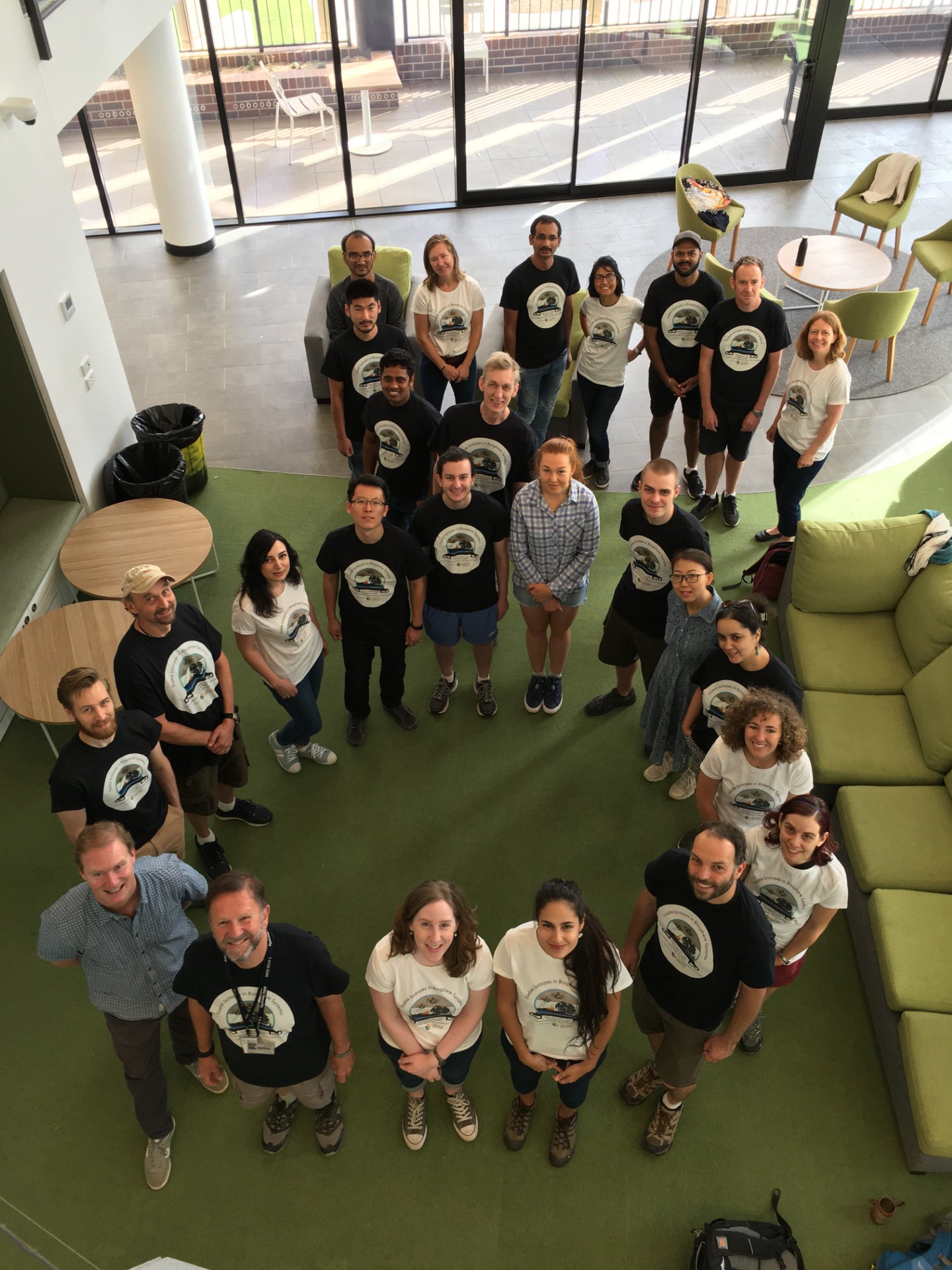
Delta Team
In this photo from the 2020 SIBS workshop in Canberra, students and mentors teamed up to form the iconic delta symbol – the classic mark of isotopic ratios. A perfect snapshot of the creativity and camaraderie that define SIBS!
As a lecturer from a regional university, attending SIBS 2026 was a great opportunity to meet other environmental science researchers and to hear about the interesting work happening around the country and overseas. It was fun to get out in the field and do some lab work to complete a small group research project. It was valuable to be on the other side of teaching - learning from other groups, universities, and all the presenters. Claudia and her colleagues did a fantastic job of organising the workshop - their hard work produced a successful, relevant and engaging experience. Thank you!!
by Catherine (Cassie) Jones, Attendee — SIBS 2026 Camden
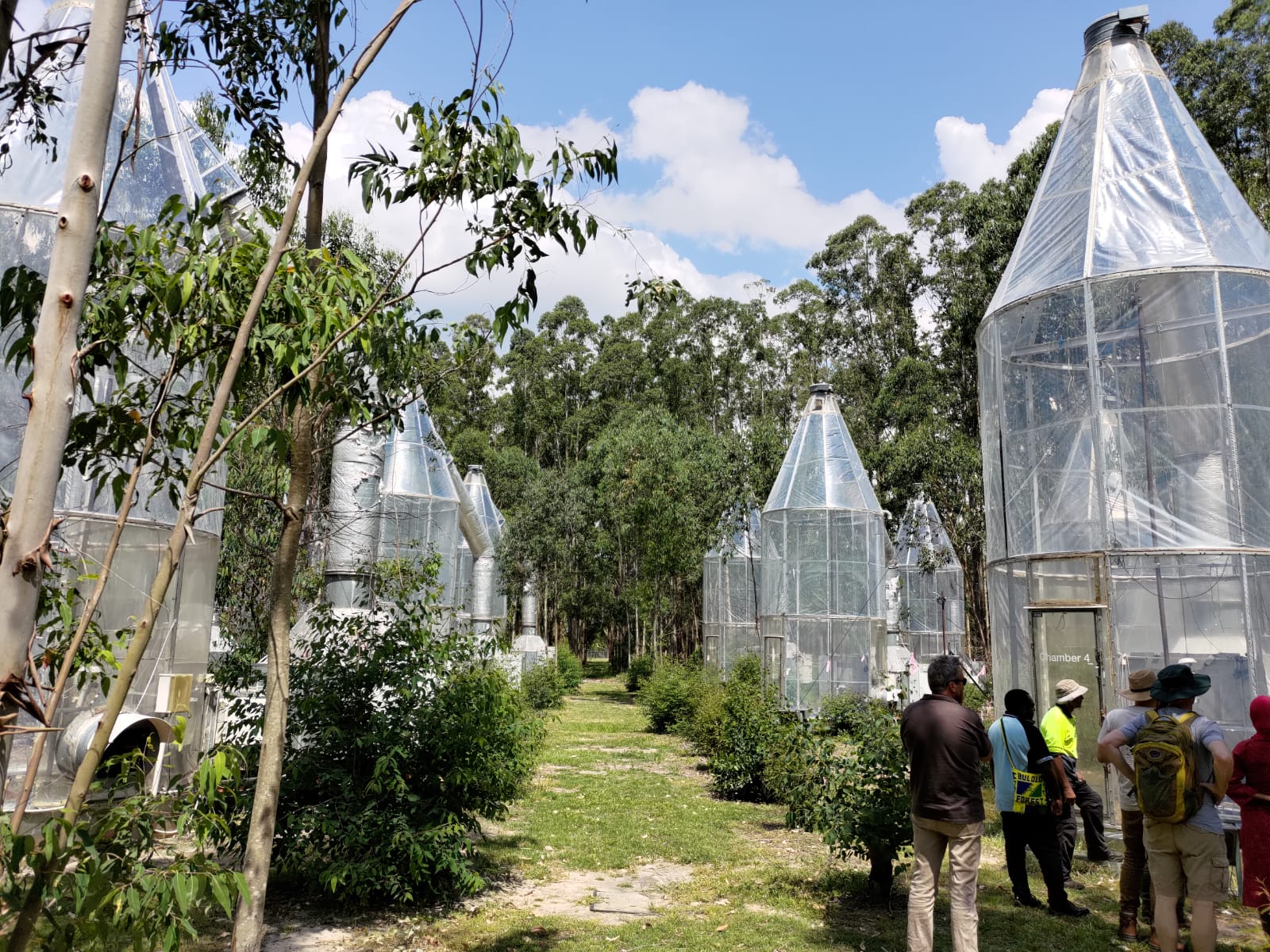
EucFACE Expedition
Visiting EucFACE during SIBS 2023 was unforgettable — the world’s only mature forest CO2 enrichment site! Our hosts from Western Sydney University showed how isotopes reveal how rising CO2 affects soils, plants, and microbes.